In 2026, more people are trying to reclaim their attention from endless scrolling. Instead of spending hours moving through algorithm-driven feeds, many are turning toward a surprisingly simple habit: tracking what they read, watch, and listen to.
Reading logs, media journals, and content trackers are becoming part of a growing digital wellness movement focused on intentional consumption. Rather than passively absorbing nonstop content, people are documenting books, podcasts, essays, and long-form media to create healthier relationships with technology.
This shift reflects a larger cultural desire to slow down mentally and become more mindful about how attention is spent each day. Below, we explore why reading logs are becoming one of the most unexpected lifestyle trends of 2026.
What are reading logs and media trackers?
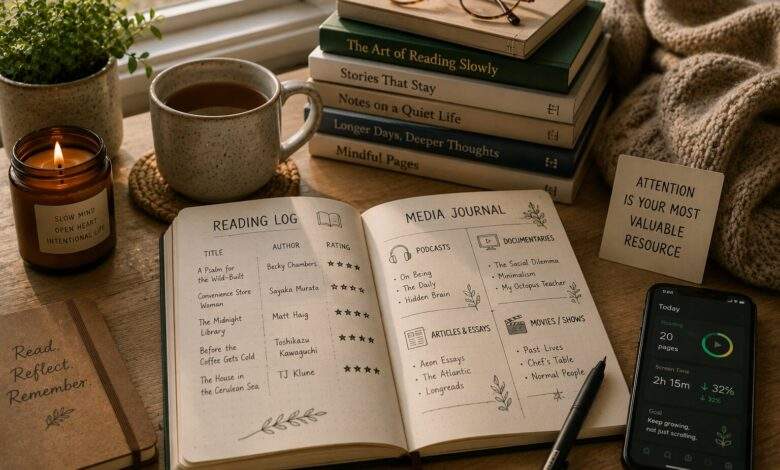
Reading logs and media trackers are tools people use to record the content they consume intentionally. This can include books, podcasts, films, articles, audiobooks, and even newsletters.
Some people use simple notebooks or journals, while others prefer apps or digital templates. The goal is not only to track progress but to reflect on what feels meaningful and worth remembering.
Unlike social media feeds, which encourage endless consumption, media logs encourage people to slow down and engage more consciously with what they consume.
Why are people replacing doomscrolling with media tracking?
Many people feel overwhelmed by constant scrolling and fragmented online attention. Doomscrolling often creates mental fatigue because it encourages rapid, emotionally draining content consumption without meaningful engagement.
Media tracking offers a different experience. Logging books or podcasts creates a sense of intention and completion rather than endless distraction. Instead of consuming content automatically, people begin asking themselves whether something is actually valuable, memorable, or enriching.
This simple shift can make digital habits feel healthier and more balanced.
How does media logging support digital wellness?
Digital wellness is increasingly focused on attention management rather than complete disconnection from technology. Most people are not abandoning screens entirely—they are trying to use them more intentionally.
Reading logs support this by creating awareness around consumption habits. Tracking what you finish often encourages deeper engagement with long-form content instead of jumping constantly between short-form distractions.
The act of journaling or reflecting on media also slows the pace of consumption, helping people feel more mentally present.
Why are books and long-form content becoming important again?
As short-form videos and algorithm-driven feeds dominate online spaces, many people are beginning to crave slower and more immersive experiences. Long-form content allows for deeper thinking, emotional connection, and sustained attention.
Books, podcasts, essays, and documentaries often feel more meaningful because they require focus and patience. This kind of lasting influence can be seen in Outliers’ Lasting Impact on Laura Marano’s Musical Journey, which explores how a single book can shape creative thinking and long-term personal development.
Are reading journals becoming part of self-care culture?
Yes, many people now view reading journals and trackers as part of broader self-care and wellness routines. Logging media can feel calming, reflective, and emotionally grounding.
Some readers include personal thoughts, favorite quotes, mood ratings, or lessons learned from what they consume. Stories like How Campbell’s Classic Led Gina Gershon to Write AlphaPussy highlight how books can spark reflection, creativity, and personal expression long after the final page.
Why are younger generations embracing reading trackers?
Younger generations are especially aware of digital burnout because they grew up in highly connected environments. Many are actively searching for habits that help reduce screen fatigue without fully disconnecting from online life.
Reading trackers offer structure without requiring extreme digital detoxes. They allow people to enjoy media while becoming more selective and intentional about what deserves their attention.
Social platforms have also helped popularize aesthetic journaling, reading wrap-ups, and media reflection habits, turning content tracking into a lifestyle trend.
Are apps helping this trend grow?
Absolutely. Apps focused on reading goals, podcast tracking, and media journaling are making intentional consumption easier and more social. Platforms like Goodreads and StoryGraph allow users to organize reading habits while reflecting on mood, pacing, and preferences.
These tools combine productivity with personal reflection, which appeals strongly to wellness-focused audiences.
At the same time, many people still prefer physical notebooks because handwritten tracking feels slower and less distracting than digital alternatives.
What does this trend reveal about modern attention spans?
The popularity of reading logs suggests that many people are becoming more aware of how fragmented their attention feels online. Instead of simply blaming technology, they are trying to build healthier systems around content consumption.
Media logging reflects a desire for intentionality. People want to remember what they consume, connect emotionally with it, and feel that their attention is being used meaningfully.
According to Psychology Today, Intentional reflection habits can support mindfulness and reduce feelings of mental overload linked to excessive digital stimulation.
This helps explain why reading trackers resonate strongly in today’s culture.
Could media tracking become a long-term wellness habit?
There is a strong possibility it will. Unlike extreme productivity trends or temporary detox challenges, reading logs are flexible and sustainable. They encourage healthier digital habits without requiring people to disconnect completely from technology.
As more people prioritize mindfulness, focus, and emotional balance, intentional media tracking may continue evolving into a mainstream digital wellness practice.
Insights from Pew Research Center continue to show growing public awareness around screen fatigue and changing digital habits, especially among younger adults.
This broader cultural awareness is helping habits like reading journals feel increasingly relevant.
FAQ Section
What is a reading log?
A reading log is a journal or tracker used to record books, articles, podcasts, or other long-form content someone consumes.
How does media tracking help reduce doomscrolling?
It encourages intentional content consumption instead of endless passive scrolling through short-form feeds.
Do reading logs need to be physical journals?
No. Many people use apps, spreadsheets, or digital templates alongside traditional notebooks.
Why are reading trackers popular in 2026?
They support mindfulness, attention management, and healthier digital habits during a time of growing screen fatigue.
Conclusion
The rise of reading logs in 2026 reflects a larger cultural shift toward intentional attention and digital wellness. As people grow increasingly tired of endless scrolling and fragmented media habits, tracking books, podcasts, and long-form content offers a calmer and more mindful alternative.
Rather than rejecting technology completely, this movement encourages people to engage with media more consciously—and to treat attention as something valuable worth protecting.